
Sound Engineering: A Checklist to Work Through Before You Decide
Helen Marsh
Before you book audio for a broadcast or live event, these are the questions worth settling first, from venue and microphones to monitoring, crew and the handover of the final mix.
Start with the room and the programme
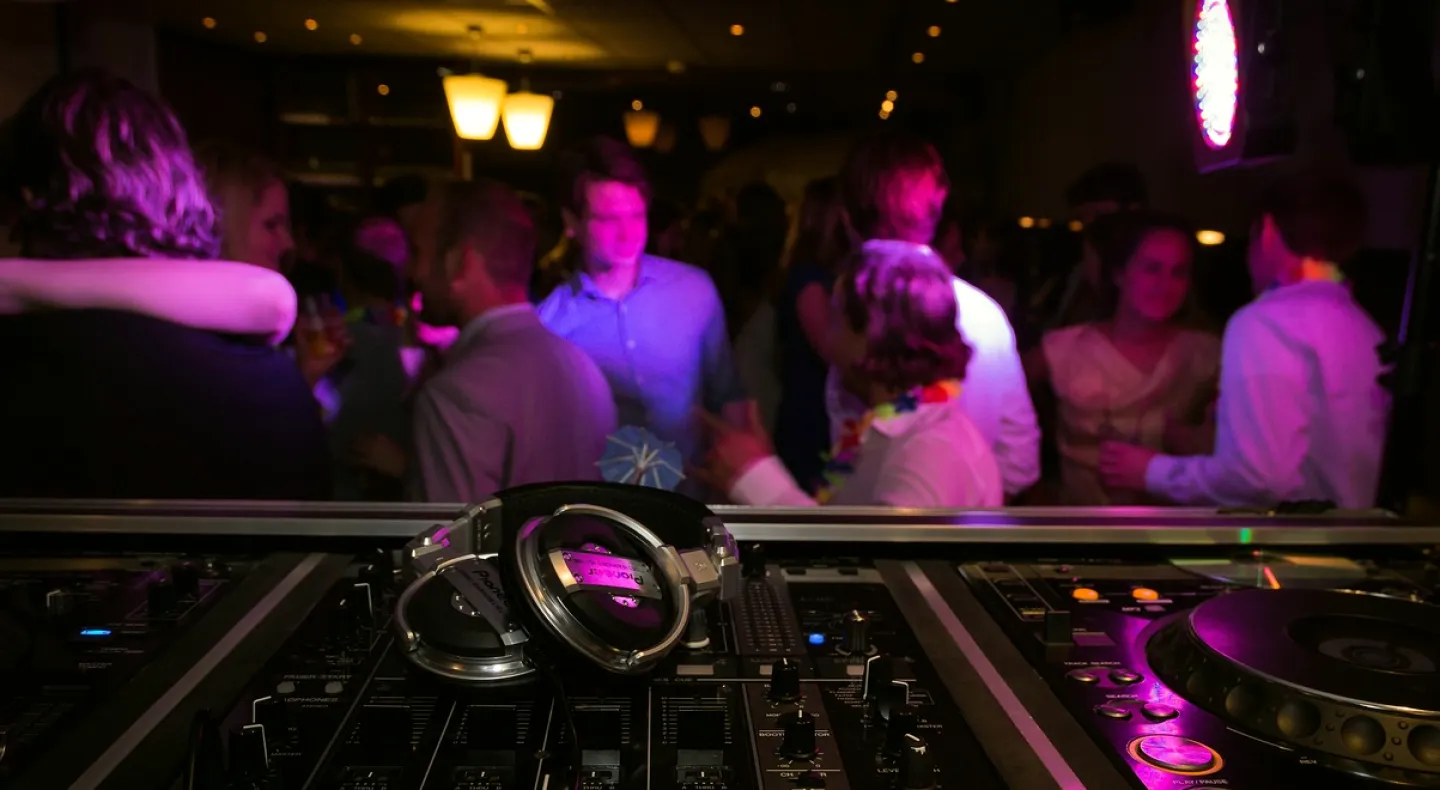
Audio decisions begin with the space the sound will live in. Before comparing crews or equipment lists, write down where the production happens: a treated television studio, a hotel ballroom, a theatre or a temporary stage. Each one behaves differently. A hard-walled ballroom adds reflections that make speech harder to follow, while a dry studio lets you capture clean dialogue but may need more care for music.
Then describe the programme itself. How many speakers or performers are on at once, do they move about, and is there an audience whose reactions you want to hear? A two-person panel and a twelve-piece band ask for very different microphone counts and mixing approaches. Having this on one page lets any sound engineer give you a realistic answer rather than a general one.
Settle the microphone plan early
Microphone choice shapes everything downstream, so it deserves an early decision. Lavalier, handheld, headset and boom microphones each suit particular situations. Lavaliers keep presenters free to move but pick up clothing noise and need careful placement. Handhelds give control and clear presence for questions from the floor. Boom microphones sound natural on camera but need an operator and a shot that leaves room for them.
Ask who supplies the microphones and the radio links, and how many spare units travel with the crew. Radio microphones also depend on available frequencies at the venue, which should be checked in advance rather than on the morning of the event. A sensible plan names each source, its backup and the person responsible for changing batteries during the day.
Check how the mix will be monitored
A mix can only be judged on what you can hear. Find out what monitoring the engineer will use: speakers in a treated control space, closed headphones at the desk, or a quiet corner of the venue itself. In a live setting the engineer often mixes in the same room as the audience, which means the front-of-house sound and the broadcast sound are two different jobs that may need two people.
It also helps to agree what reference you will listen against. Playing a familiar piece of programme material through the system at the start lets everyone judge level and tone on the same footing. Producers who want to hear the broadcast feed should ask for a feed on headphones in the gallery, not rely on the room.
Be clear about levels, delivery and loudness
Television networks usually specify loudness targets and technical delivery standards, and your audio has to meet them before it goes to air. Ask the engineer how they measure loudness during the show, and whether they have worked to the specification your network uses. Do not assume it is understood; send the document ahead of time. Also settle what leaves the building.
Will you receive a stereo mix only, or stems and isolated recordings of key sources? Multitrack recordings are useful if the programme will be edited later, but they need storage, naming and someone to check them afterwards. Decide before the day what format, what file naming and who receives the files, so that nobody is chasing recordings the following week.
Look at crew, cabling and contingency
Count the people the audio really needs. One engineer can mix a small conference, but a televised event with musicians, radio microphones and a remote guest often needs an assistant to handle microphone placement and fault-finding while the engineer concentrates on the mix. Ask who is on site, who is on call, and how quickly a failed component can be replaced.
Cabling deserves a short conversation too. Long analogue runs pick up interference, while digital snakes and network audio reduce the cable load but depend on correct configuration. Ask for a signal flow outline: where each source enters, where it is mixed and where it leaves. A simple diagram on one sheet is a good sign that the work has been thought through, and it helps any other crew you work with.
Agree what happens before and after the show
Good audio rarely depends on the show alone. Ask what time is set aside for load-in, line checks and a sound check with the actual presenters, because a room sounds different once it is full of people and cameras are in position. If rehearsal time is short, say so early so the engineer can plan the most important checks first.
After the event, agree how issues are reported and how quickly files are handed over. A short note covering what was recorded, any faults and any recommendations for next time saves effort on the following production. Put all of this in the written quotation or confirmation, so the scope, the crew and the delivery are the same for everyone involved.
No single question on this list decides the matter, but together they show whether a sound plan is realistic for your venue, programme and delivery requirements. Work through them with whoever will mix the show, and put the answers in writing. If you would like to talk a production through, the contact page is the place to start, and we will reply with questions of our own.
More from the guides
How We Approach Lighting Plots for Studio Shows and Live Stages
A look at how starlova builds lighting plots and rigs for studio shows and live stages, and how we balance what the camera needs with what the audience sees.
The tools and methods behind our workflow reviews
A look at the working materials we bring to a workflow review: shot logs, handover maps and timed test runs that show where a production loses time between ingest and delivery.
Helen Marsh
Send us a message
- Call us
- Write to us