
Dynamic or Condenser Microphones for Live Broadcast: Which to Choose
Tom Bradshaw
A practical comparison of dynamic and condenser microphones for broadcasts and live events, with a clear recommendation for each setting and a note on when to mix the two.
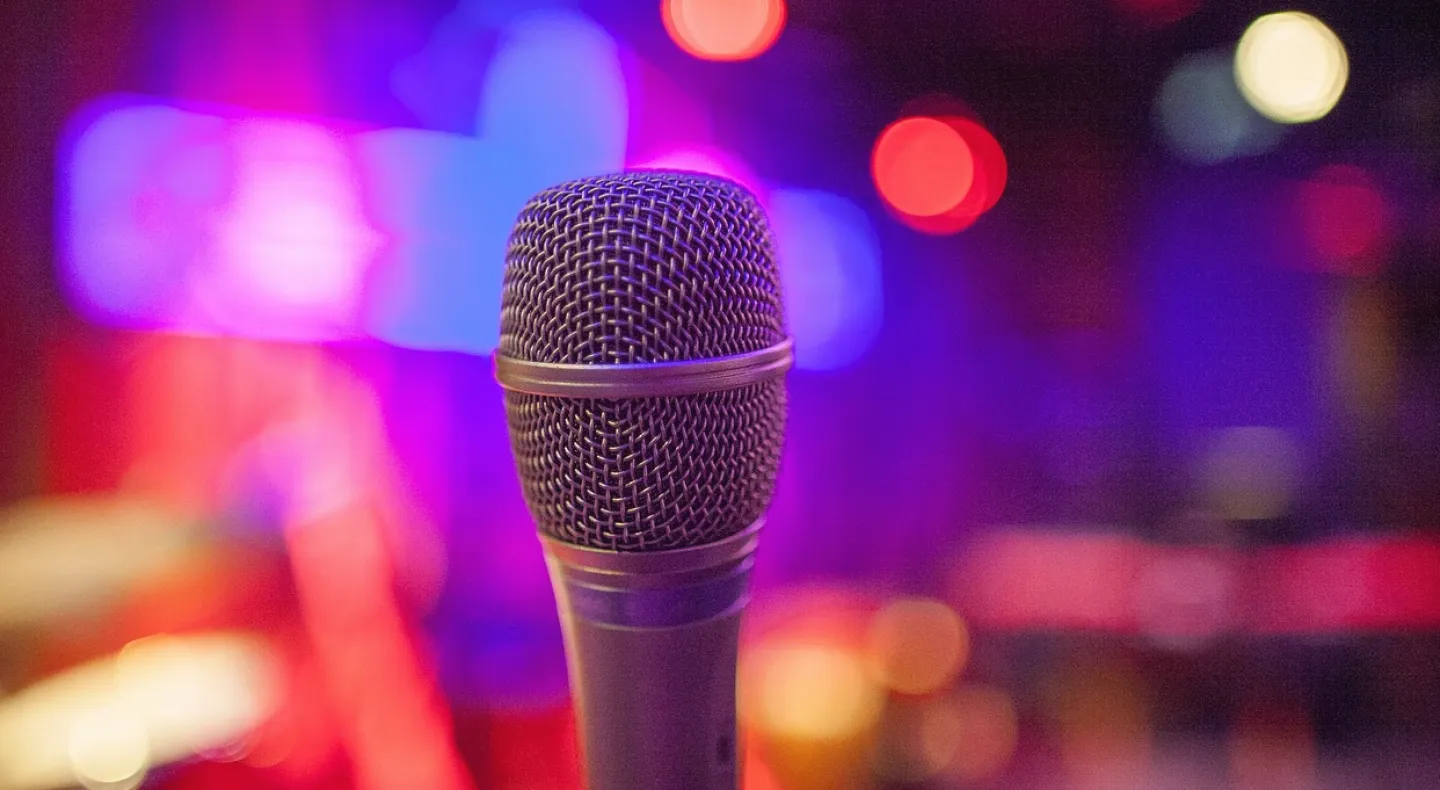
Two microphones, one decision
Most audio plans for a broadcast or live event come down to an early question: dynamic or condenser. Both capture speech and music well, yet they behave very differently once the rehearsal starts and the room fills with people, lighting, monitors and cables. I am a camera systems technician, so I come to this from the neighbouring desk, and I spend a lot of shoot days next to Daniel Okafor and the sound crew.
What I see from there is that the choice is rarely about quality in the abstract. It is about what surrounds the microphone: the noise in the room, how close the speaker stands, how long the day runs and how much time the crew has to set up. This comparison keeps to those practical points.
Neither type is better in every case, and the recommendation at the end depends on the job.
How dynamic microphones behave on a busy stage
A dynamic microphone uses a moving coil and needs no power from the desk. It tolerates handling, high sound levels and the knocks that come with a live event. Because it picks up less of the room, it is forgiving where the stage is loud or the monitor wedges are close by.
The trade-off is detail. Dynamics tend to sound a little rounder at the top end and respond less to quiet, distant sources. For a presenter holding a microphone, a drummer's kit or a panel member who leans in and out, that is often a benefit rather than a flaw, since it keeps the level steadier.
They also suit crews working quickly. There is no phantom power to check, fewer surprises with long cable runs, and a spare can be swapped in without a second thought.
What condenser microphones do better in a studio
A condenser microphone is more sensitive and captures finer detail and a wider frequency range. In a treated television studio with controlled acoustics, that sensitivity helps: speech sounds natural and a presenter can sit back from the capsule without the level collapsing.
The cost of that sensitivity is exposure. A condenser hears the room, the air conditioning, a shuffled script and the hum of nearby equipment. It needs phantom power, takes more care with positioning and can be damaged by moisture or rough handling.
In a well planned studio, those risks are manageable. The acoustic design, the cabling plan and the monitoring chain are set up so the microphone can do what it does best. Where the room is not controlled, the same microphone can cause more trouble than it solves.
Placement, feedback and what the camera sees
Microphone choice also touches the picture. A condenser on a boom or a small lavalier-style mount sits close to the shot line, and the lighting team and camera operators need to agree where it can hang without throwing shadows or appearing in frame. A handheld dynamic is simply visible and expected.
On live stages, feedback is the main risk. A sensitive microphone near loudspeakers rings sooner, so the engineer may have to cut gain or move it, which reduces the advantage it had on paper. Dynamics with a tight pickup pattern give more margin before the system starts to howl.
This is why audio, lighting and camera plans are best made together. A microphone that sounds good but must be moved on the day usually costs more in time than a slightly less detailed one placed correctly at the start.
A recommendation for each setting
For a television studio with controlled acoustics and a fixed set, I would recommend condenser microphones as the main choice for presenters and guests, with dynamics held as spares and for any loud or mobile segment. The room is designed to let the condenser work properly, and the audience at home hears the difference.
For a live event, a conference hall or a concert with monitors on stage, I would start with dynamics. They are more tolerant of the room, easier to manage for feedback and quicker to replace when something goes wrong during a long day.
Where a production mixes both settings, such as a studio show with a live audience, plan both types from the beginning and let the sound engineer decide which source gets which microphone.
Questions to settle before the first rehearsal
Before anyone orders or hires equipment, a few questions help narrow the choice. How loud is the room once the audience arrives? How far will speakers stand from the capsule? Who handles the microphone, a trained presenter or a first-time guest? How long is the day, and how quickly can a faulty channel be replaced?
Answers to these usually point towards one type without much debate. They also show where the plan is thin, for example when there is no spare channel or no agreed position for a boom.
Raise these points with the sound engineer while the studio layout or event plan can still change. A short conversation in the planning stage is cheaper than adjusting a rig in the middle of rehearsal, when every other department is waiting.
Neither microphone wins on every job. Condensers reward a quiet, well designed studio with detail and natural speech; dynamics earn their place on loud, busy stages where reliability matters more than finesse. Choose by the room, the speaker and the length of the day, and settle the decision together with the lighting and camera teams. A plan made early, with a spare of each type on hand, will serve most broadcasts and live events well.
More from the guides

Planning a Live Event Crew and Signal Path from Scratch
A practical walk-through of how to size a crew, map vision and sound signals and rehearse a conference or concert so the live feed holds together on the day.
Sound Engineering: A Checklist to Work Through Before You Decide
Before you book audio for a broadcast or live event, these are the questions worth settling first, from venue and microphones to monitoring, crew and the handover of the final mix.
The tools and methods behind our workflow reviews
A look at the working materials we bring to a workflow review: shot logs, handover maps and timed test runs that show where a production loses time between ingest and delivery.
Tom Bradshaw
Send us a message
- Call us
- Write to us