
Six Common Sound Mistakes in Broadcast and Live Audio, and How to Avoid Them
Daniel Okafor
Most audio problems on air trace back to a few repeated habits in gain, monitoring, cabling and handover. Here is what we see go wrong and how a crew can prevent each one.
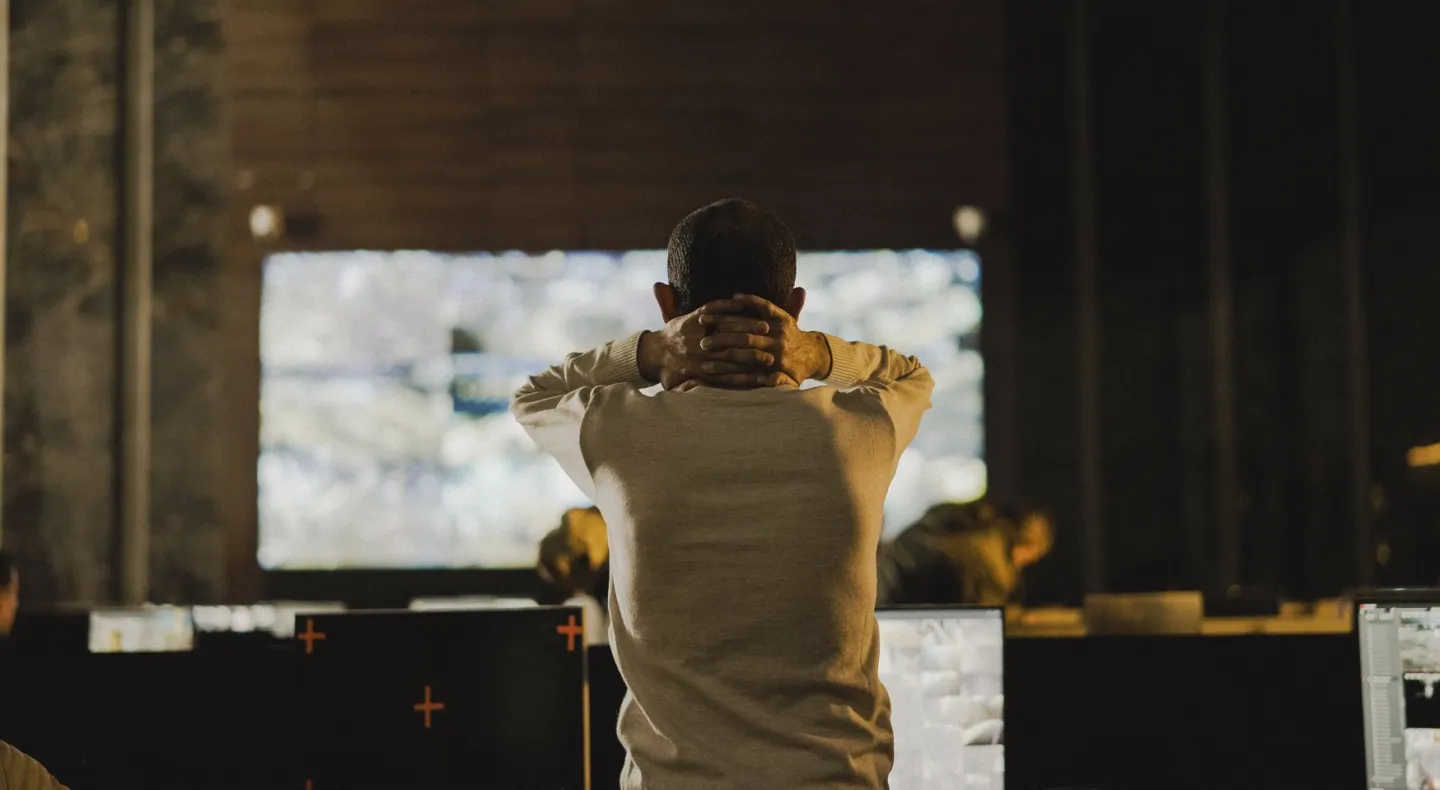
Setting gain once and never checking it again
The most frequent fault I meet is a gain structure set during a quiet line check and then left alone. A presenter who speaks softly in rehearsal becomes a different voice once the lights are up, the audience is in and adrenaline arrives. The preamp that looked comfortable now clips on the first laugh, or the opposite happens and a nervous guest sinks into the noise floor.
The remedy is simple but needs discipline. Set levels with the real speaker, at the real volume, as close to broadcast conditions as the schedule allows. Leave headroom at the input stage rather than trying to fix peaks later with a limiter, because distortion introduced at the microphone preamp cannot be removed downstream.
Keep one person responsible for watching input meters during the programme itself, not only during rehearsal. In these autumn weeks, when many studios return to full schedules after quieter summer months, it is worth rechecking every channel from scratch.
Monitoring on the wrong speakers or at the wrong level
A mix is only as trustworthy as the way you listen to it. Crews often monitor on whatever speakers were installed years ago, or on headphones that flatter the low end, and then discover that the broadcast sounds thin or boomy on a home television. Monitoring level matters as much as the equipment: mixing too loudly hides problems with balance and makes dialogue seem clearer than it is.
Choose a monitoring level and keep to it, so that your ears settle into a consistent reference. Check the mix on a small, modest speaker as well as the main monitors, because that is closer to what many viewers will use. If the control room has not been treated acoustically, reflections near the desk will colour what you hear.
Be honest about the room. A modest amount of absorption and a sensible desk position often improve decisions more than a new pair of speakers.
Leaving microphone choice and placement to chance
Microphones are frequently picked because they are already in the flight case rather than because they suit the voice and the space. A lavalier clipped under a heavy jacket rustles on every movement. A handheld passed between guests is held at three different distances. A boom swung too far back picks up the room instead of the speaker.
Decide placement before the guests arrive. Position lavaliers on a stable part of the clothing, away from jewellery and fabric that brushes, and use the supplied windshield where air movement is likely. Brief presenters on how to hold a handheld, ideally with a short demonstration.
Always carry spares and test them in advance. A failed radio pack or a flat battery is far easier to manage when a replacement is already labelled and charged beside the desk.
Ignoring radio frequencies and cable discipline
Wireless systems fail in ways that are hard to explain to a producer in the middle of a show. Dropouts and interference often come from frequencies that were never scanned at the venue, or from several systems placed too close together. Walk the site with a scanner before the doors open, assign frequencies in a written list, and keep receivers where they have a clear line of sight to the transmitters.
Cable faults are quieter but just as costly. Unlabelled looms, bent connectors and balanced lines run alongside power cables invite hum and last-minute guessing. Label both ends, keep audio and mains apart where you can, and cross them at right angles when you cannot.
A tidy patch is also a safety matter for the crew, who must move around the set in low light and often in a hurry.
Skipping the handover between engineers and departments
Audio rarely fails because of one dramatic error. More often it fails in the gaps between people: the sound engineer who was not told the running order had changed, the camera team who moved a presenter without mentioning it, the producer who asked for a music bed that was never cleared with the desk.
Hold a short briefing before every show, with audio, camera, lighting and production present. Agree who calls changes, what the talkback routing is and how problems will be reported on air. Write down the cues that affect sound, such as music in and out or a guest joining remotely.
When shifts change during a long event, hand over with a marked-up copy of the channel list and any settings that differ from the default. Ten minutes spent here saves far longer in the gallery.
Mixing only for the room, not for the programme
A live mix that sounds excellent in the venue may be wrong for the broadcast feed, and the reverse is also true. Audience noise, stage monitors and the reverberant space all shape what people in the room hear, while a viewer at home wants clear speech and a controlled balance. Treating them as the same mix is a common source of complaints.
Where possible, give the broadcast its own feed and its own pair of ears. If one engineer must cover both, listen to the programme output on separate headphones at intervals and adjust the send levels accordingly. Pay attention to loudness targets agreed with the network, and meter the final output against them rather than judging by ear alone.
Finally, record a clean backup of key sources. If a problem appears, a safety recording makes repair possible.
None of these mistakes needs expensive equipment to fix. They call for steady habits: check gain with the real speaker, monitor consistently, plan microphones and frequencies in advance, label what you connect, talk to the other departments and keep the broadcast mix separate from the room. A crew that repeats these small routines before every show will find that most of the surprises disappear.
More from the guides

Planning a Live Event Crew and Signal Path from Scratch
A practical walk-through of how to size a crew, map vision and sound signals and rehearse a conference or concert so the live feed holds together on the day.

Sound Engineering: A Checklist to Work Through Before You Decide
Before you book audio for a broadcast or live event, these are the questions worth settling first, from venue and microphones to monitoring, crew and the handover of the final mix.
Sorting out camera shading for a regional panel show
A short case from the studio floor: how a production team led by Nadia stopped chasing mismatched pictures between three cameras, and what we changed in the camera control setup.
Daniel Okafor
Send us a message
- Call us
- Write to us