
What Camera Control Systems Cost and What Moves the Price
Helen Marsh
A plain walk through how camera control work is priced, from the number of cameras to remote heads and shading, and what to settle before asking for a written quotation.

Why a single figure is rarely honest
People often ask us for the price of a camera control system as if it were a product on a shelf. In practice it is a piece of setup work wrapped around equipment you may already own, hire or buy, and the cost follows the size of that work far more than any list price.
A two-camera talk show in a small studio and a ten-camera televised concert both involve camera control units, but the hours, the cabling, the testing and the people on shoot day are very different. When we quote, we start from what your production actually does each week, then build the figure from setup, configuration and support. That is why we ask questions before we name a number, and why a number given without them should be treated with caution.
The number of cameras and how they are used
Camera count is the first driver, but it is not a straight multiplication. The first camera takes the longest, because it fixes the signal path, the naming, the colour reference and the control layout. Each further camera repeats part of that work, though it still needs its own matching and checking against the others.
What matters just as much is how the cameras are used. Fixed cameras on a set need less attention than handheld or roaming units, which bring wireless links, tally and intercom into the picture. Multi-camera productions also need every camera to match in exposure and colour, and that matching is where careful setup time goes. We count the cameras, then ask what each one does, because the second answer changes the estimate more than the first.
Remote heads and robotic positions
Remote heads add a separate layer of work. A robotic head has to be mounted, tested for travel limits and smoothness, and tied into whatever controller your operator will use. Presets for shot positions need to be programmed and checked against the set, and any change to the set afterwards means revisiting them.
Cost rises with the number of heads, the precision you need and how often shots are recalled in a live show. A single wide shot that rarely moves is quick to set up. A programme that cuts between a dozen stored positions in a minute needs patient programming and rehearsal. We separate this from the camera control itself in a quotation so you can see which part of the price belongs to which kind of work.
Shading, colour matching and the time it takes
Shading is the adjustment of exposure, black level and colour so that cameras sit together on screen. It is the part of the job viewers never notice when it goes well, and the first thing they see when it does not. Doing it properly means a calibrated monitoring path, a lighting state that will not change, and time to compare each camera against a reference.
That last point links directly to price. If the lighting is still being rigged while we shade, the work has to be repeated. If we can set up after the lighting is fixed, it is done once. Where a lighting designer and a camera technician can work in the right order on the same day, the total comes down, and we say so plainly when we plan the schedule with you.
Existing kit, cabling and the state of the room
Whether you bring existing equipment changes the figure in both directions. Using your own camera control units saves buying or hiring, but they must be checked, updated and sometimes repaired before we rely on them. Older cabling, patching that has grown over the years and unlabelled signal paths all take time to trace before any configuration can begin.
A tidy studio with documented cable runs is cheaper to configure than one where nobody is sure what feeds what. We would rather spend an hour surveying the room at the start than discover a problem on the morning of a recording. If we have to survey, that survey is listed as its own line, so you know what you are paying for and can decide whether you need it.
Shoot-day support and what to ask before you commit
Some productions want the system configured and handed over, others want a technician beside the camera operators on the day. Support on the day is charged by crew time, so the length of the shoot, the number of days and whether it is a live broadcast all matter. Live work carries more preparation and less room for error, and the estimate reflects that.
Before you ask for a written quotation, it helps to have a few facts ready: the number and type of cameras, any remote heads, the lighting state, the existing equipment and the dates. Send them through the contact page and we will reply with a written quotation that sets out what is included and what would change it, with payment by bank transfer against an invoice once you confirm.
The price of camera control work follows the shape of your production: how many cameras, how they move, how much has to be matched and how tidy the room is when we arrive. If you can describe those points, we can give a quotation that is easy to read and hard to misunderstand. The Prices page sets out how enquiries, quotations and invoices work, and the contact page is the place to begin.
More from the guides
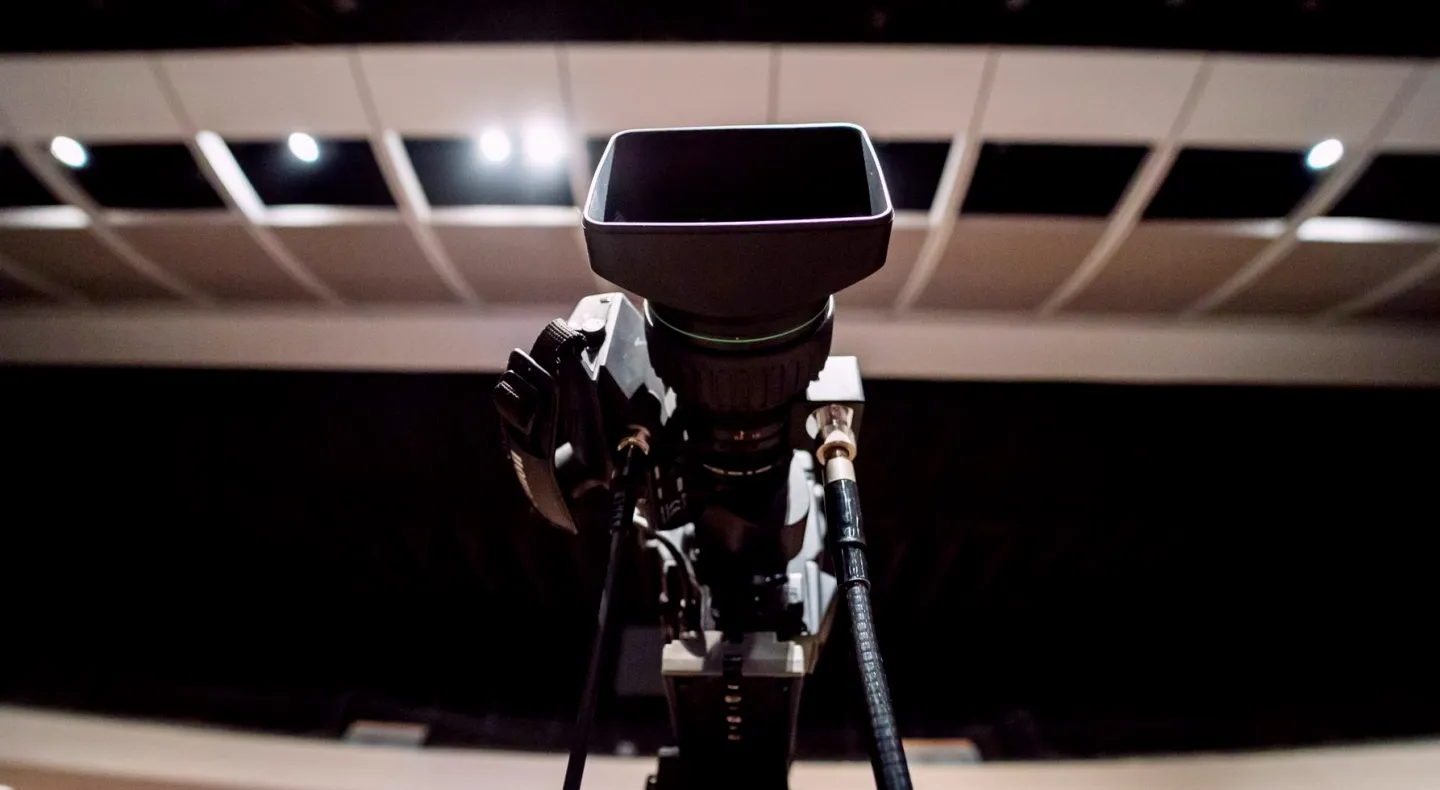
What Broadcast Studio Design Costs and What Moves the Price
A plain account of how a studio design is priced, which choices raise or lower the figure, and what to settle before asking for a written quotation.
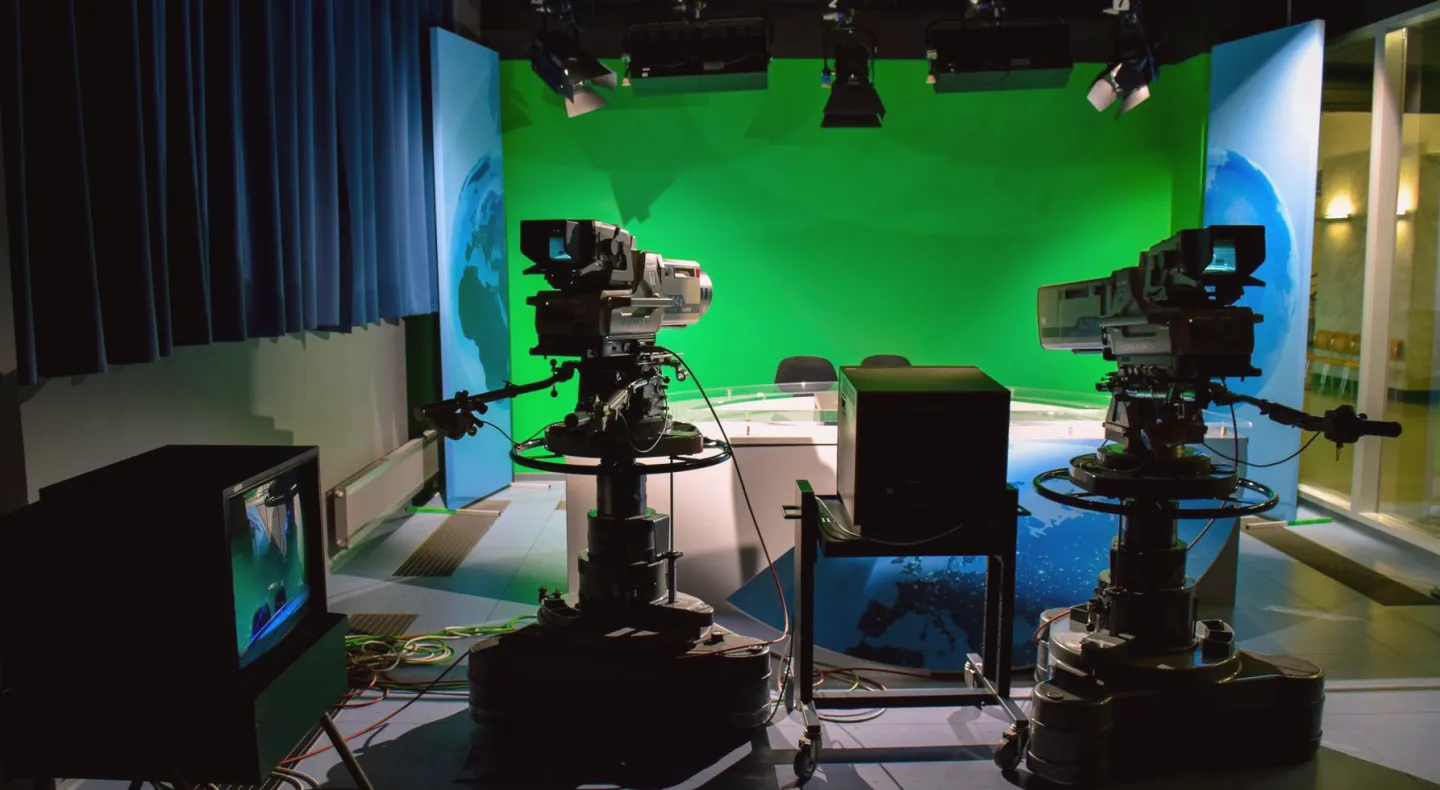
Lighting Your Studio Through the Darker Months: Autumn Planning Notes
Shorter days change how studios and stages are lit. Priya Shah sets out what to check in your lighting plots and rigs before winter schedules and live seasons fill up.
Helen Marsh
Send us a message
- Call us
- Write to us