
Lighting Your Studio Through the Darker Months: Autumn Planning Notes
Priya Shah
Shorter days change how studios and stages are lit. Priya Shah sets out what to check in your lighting plots and rigs before winter schedules and live seasons fill up.
Why mid autumn is the time to review the rig
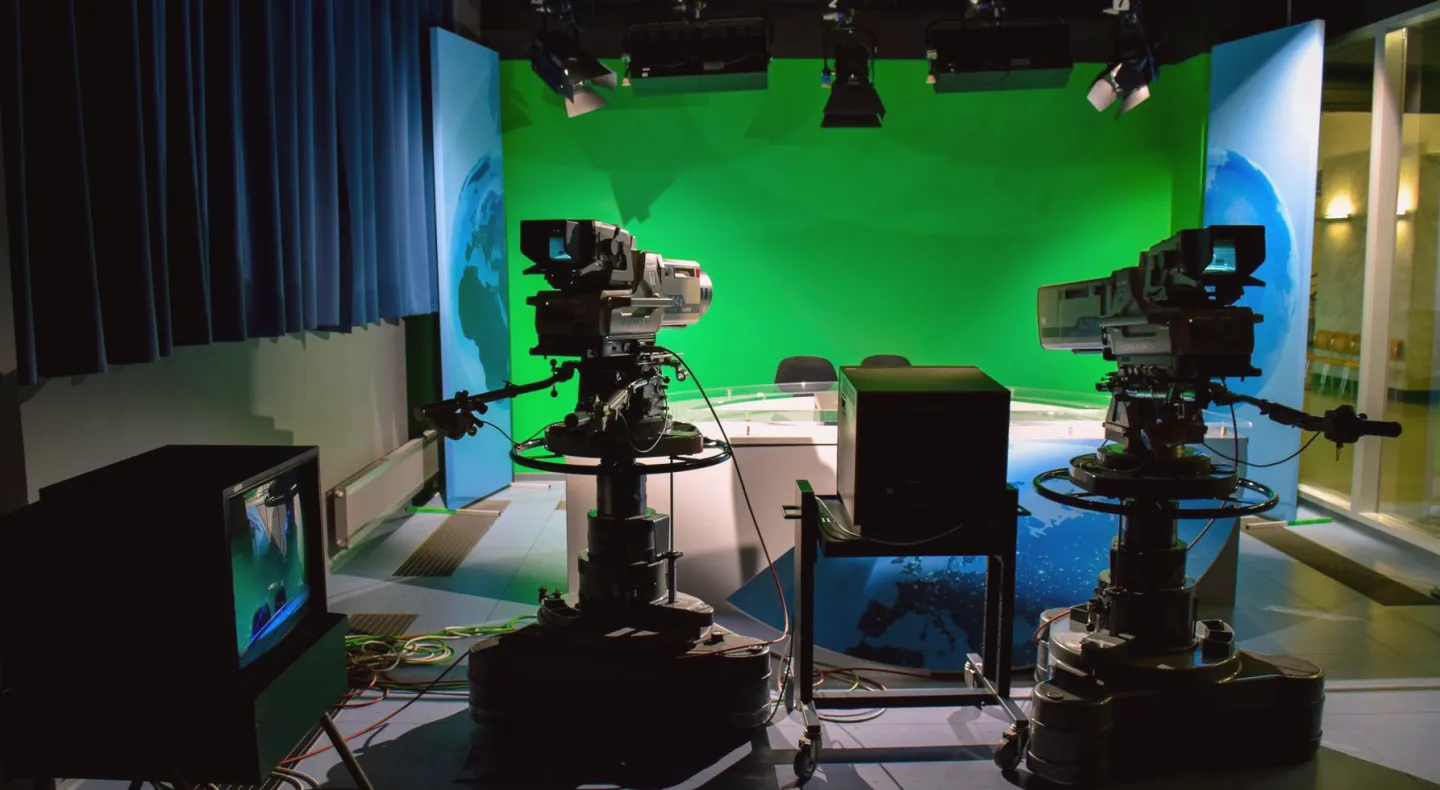
By the middle of autumn, most studios have settled into a new run of programmes and most venues are filling their diaries with winter events. It is the quietest moment to look properly at the lighting before the busy weeks arrive. I try to walk every rig I am responsible for at this point, with the plot in hand, and compare what is hanging with what is drawn.
Plots drift over a summer of one-off shoots. A fixture is borrowed for a corporate job and returns on a different bar, a gel is swapped to suit a guest, a dimmer channel is patched twice. None of this is careless, but together it means the drawing no longer describes the room. Correcting that now saves an anxious hour on the first show day of the season.
Shorter days also change what the cameras see. Studios with windows or glazed roofs lose the ambient daylight that quietly filled shadows in summer, and the balance you relied on shifts.
Checking colour temperature and consistency
Autumn is a good moment to measure rather than guess. Over a year of use, lamps age, and a bank of fixtures that matched in spring may now sit visibly apart on camera. I check a few key fixtures against a reference chart on the cameras and note any that have moved. A small colour difference between two key lights is easy to miss on a monitor in the gallery but obvious on a wide shot.
Where a studio mixes tungsten and LED fixtures, the winter schedule is the time to decide how long that mix is sensible. The two behave differently on dimmers and respond differently to filters. Matching them takes extra work at every set change, and that work is repeated across every show in the run.
None of this needs a major spend. A tidy record of what each fixture is doing, kept alongside the plot, tells you where to act first.
Balancing for camera and for the audience
Live stages in the colder months often serve two audiences at once: the people in the room and the cameras recording or streaming the event. What flatters a performer to the seats can look harsh in close-up, and the reverse is also true. Autumn conference and concert seasons are where this tension shows up most, because the same rig is being asked to do more jobs in less time.
The practical answer is to agree priorities with the director before the plot is drawn. If the camera feed matters most, front light is kept soft and consistent and the house look is built around it. If the room matters most, we accept that cameras will need a little more help from shading.
I also ask early about backgrounds. Dark winter clothing against dark drapes loses edges quickly, and a gentle back light solves it before anyone has to ask.
Power, heat and the quiet cost of winter use
Longer evenings mean rigs stay on for longer. Fixtures that were used for short bursts in summer may now run through multi-hour recordings, and ventilation, cable condition and power distribution deserve a look. I check connectors for scorching or looseness, confirm that cable runs have not been tightened or pinched by set changes, and look at how heat collects under low ceilings.
Cold venues bring their own habits. Touring crews arrive with equipment that has spent hours in a van, and condensation on lenses and in housings is a real risk if fixtures are powered up straight away. Giving gear time to settle before striking lamps is cheap and avoids failures at the worst moment.
Finally, think about spares. A short list of the lamps and consumables most likely to fail is worth holding on site through the busy months.
Planning set changes and turnarounds
Winter schedules tend to compress. Pantomimes, seasonal broadcasts and year-end events all want a quick turnaround between rehearsal and show. A lighting plot that is easy to reset is worth more than one that is clever but fragile. I aim to keep focus positions marked, memory states labelled in plain language and a printed copy of the plot near the desk.
If your studio changes sets daily, consider which fixtures never need to move and which do. Fixing the first group in place and labelling the second makes handovers between crews much smoother, especially when freelancers join for a short run.
It is also worth rehearsing a power-down and recovery. Knowing exactly how the rig behaves after an interruption is far better than discovering it on air.
A short checklist to take into the season
I keep the list short because a long one is rarely finished. Before the winter run begins, confirm that the plot matches the room, that colour is consistent across key fixtures, that power and cabling are sound and that turnarounds are written down. If one of those four is weak, start there.
If you would like another pair of eyes on a studio or stage, we are glad to review a plot with you and mark what is worth changing now and what can wait. Bring the drawing, a list of the programmes or events coming up and the names of the people who will be operating the rig. That is usually enough for a useful first conversation.
The aim is simple: a rig that behaves predictably through the darker months, so that the crew can think about the programme rather than the lights.
The darker months reward preparation more than ambition. A rig that has been walked, measured and tidied in mid autumn will carry a studio or stage through the busiest weeks without drama. Start with the plot, check colour and power, and write down your turnarounds. If you would like help with any of it, the contact page is the place to begin.
More from the guides

Studio Design Mistakes We See Most and How to Avoid Them
Layout, acoustics and cabling errors in new television studios are rarely dramatic, but they are costly to fix later. Here are the ones we meet most often and how to plan around them.
Vision Mixing and Signal Routing Terms Explained for Live Crews
A plain-words guide to the terms live crews use every day: tally, routing, cut, take and return feed, and why each one matters on a busy event.
What Do We Need to Prepare Before a Camera Control Setup?
The question we hear most often about camera control: what should your team have ready before we configure units, remote heads and shading? A practical answer from the first call to shoot day.
Priya Shah
Send us a message
- Call us
- Write to us