
Vision Mixing and Signal Routing Terms Explained for Live Crews
Priya Shah
A plain-words guide to the terms live crews use every day: tally, routing, cut, take and return feed, and why each one matters on a busy event.
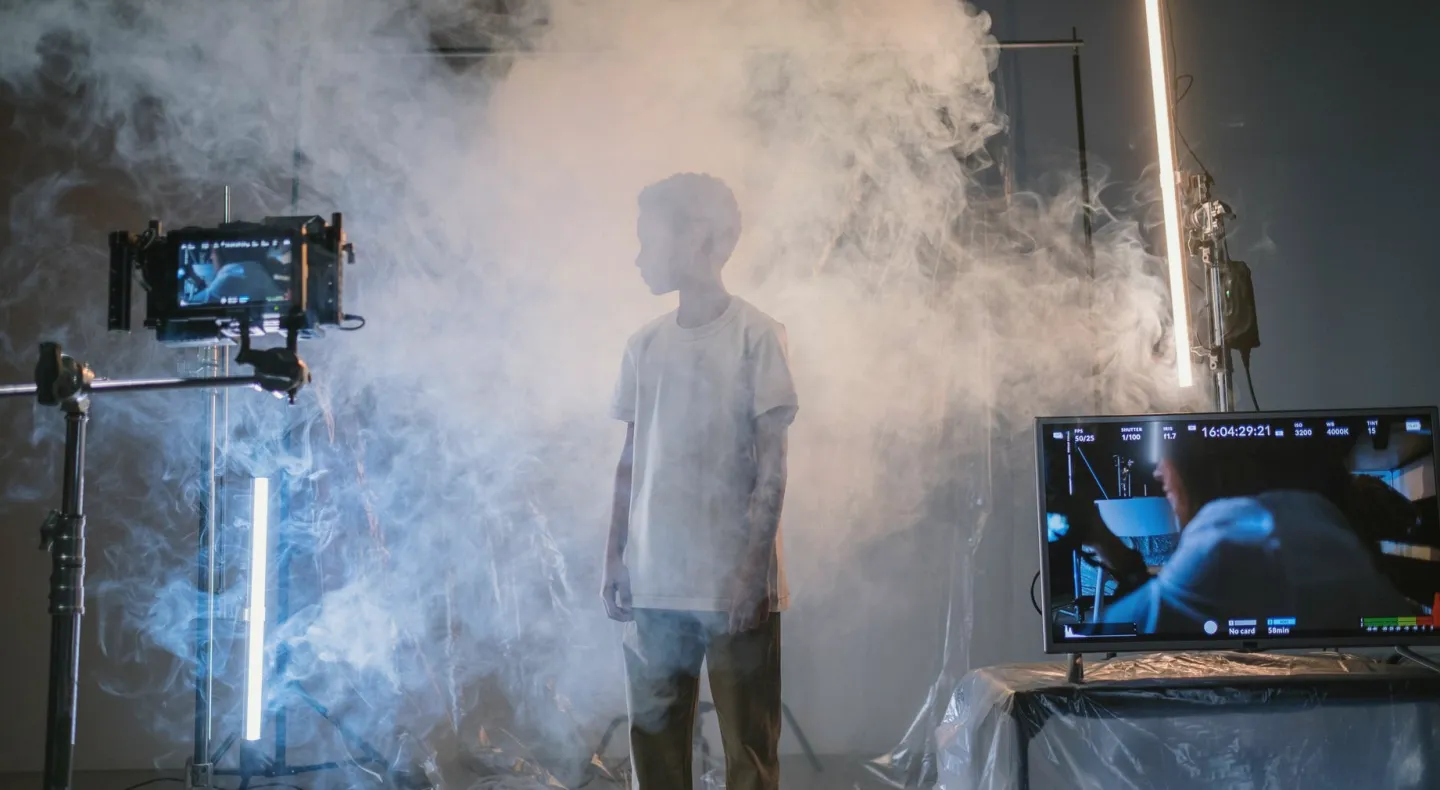
Why the vocabulary matters on a live show
Live Event Production leans on a handful of short words that crews say quickly and without explanation. When a director asks for a take on camera three, or a producer wants a return feed sent to the green room, everyone is expected to know exactly what happens next. Newcomers, clients and even experienced lighting staff like me can lose the thread in a busy gallery, and a misunderstood word costs seconds that a live broadcast does not have.
I come to this from the lighting side, so I spent my first productions listening to the vision and routing talk and writing terms on the back of my plot. What follows is the translation I wish I had been handed. It is not a complete glossary. It covers the terms that cause the most confusion between departments on conferences, concerts and televised events, explained in the plain words a producer or organiser can use when briefing a crew.
Vision mixing: cut, mix and take
The vision mixer is the control surface that decides which picture goes out. A cut is an instant change from one source to another. A mix, sometimes called a dissolve, blends one picture into the next over a short moment. A take is the act of sending the prepared source to air, and the word is also used as a command, so when the director says take two, the operator puts camera two on the programme output.
The vision mixer works with two buses. The preview, or preset, shows what is lined up next, and the programme shows what viewers see. Operators prepare the next shot on preview, check it, then take it. Understanding this order explains why a director sometimes says stand by before a cut: the operator is confirming the next picture is correct before it becomes live.
Signal routing and why labels save time
Signal routing is the movement of video, audio and control signals from where they start to where they are needed. A router, or routing matrix, lets a crew send any input to any output without moving cables. On a conference with several rooms, the same camera might feed the main screen, the recording and an overflow space, and routing makes that possible from one place.
The practical rule is to label every input and output clearly and keep the names the same on paper, on the router and on the mixer. Most mistakes I see on shoot days are not equipment faults but a source called camera four on one list and stage left wide on another. Agree the names at the planning stage and print them for every department, including lighting.
Tally, return feeds and what they tell the crew
Tally is the small light on a camera, monitor or talkback panel that shows whether a source is on air. A red tally means live, and a green one often means it is next on preview. It tells presenters where to look and camera operators when a movement will be seen. For lighting, tally is useful too: I avoid adjusting a fixture that is lighting a live shot.
A return feed is a picture or sound sent back to the stage or another area, so people there can see or hear the programme. Presenters use it to follow the running order, and speakers use it to see the screen the audience sees. Return feeds are easy to forget in the plan and awkward to add on the day, so ask for them early.
Talkback and the language between departments
Talkback is the intercom that lets the director, vision mixer, camera operators, sound and lighting speak to each other during the event. It is usually a closed channel, so the audience never hears it. Good talkback discipline is simple: keep calls short, name who you are speaking to, and let the director speak without interruption during a sequence.
Standby and go are the commands that matter most. Standby means be ready, and go means act now. Avoid casual phrases such as okay or yes, which can be heard as an instruction. When crews share a clear set of words, a live event runs more calmly, and an organiser watching from the back can follow what is happening without needing a translation.
Using the terms when you brief a crew
You do not need to be an engineer to brief a live crew well. Say what the audience and any viewers should see, how many sources you expect, where the picture needs to go and who needs a return feed. Then ask the crew to confirm the routing and the naming in writing before the day.
If a term in a plan or quotation is unclear, ask for it to be explained in plain words. A reliable crew will happily do so, and the answer often reveals a missing detail, such as a room that needs a feed or a speaker who needs a monitor. A few minutes spent on vocabulary during planning saves much longer delays once the doors are open.
Cut, take, tally, routing and return feed describe simple actions, and once they are clear, a live production becomes far easier to plan and follow. Agree the names of sources early, confirm who needs which feed, and keep talkback short and calm. Whether you are organising a conference or a televised concert, a shared vocabulary between you and the crew is one of the cheapest ways to keep the event steady.
More from the guides

What Camera Control Systems Cost and What Moves the Price
A plain walk through how camera control work is priced, from the number of cameras to remote heads and shading, and what to settle before asking for a written quotation.

How We Approach Lighting Plots for Studio Shows and Live Stages
A look at how starlova builds lighting plots and rigs for studio shows and live stages, and how we balance what the camera needs with what the audience sees.
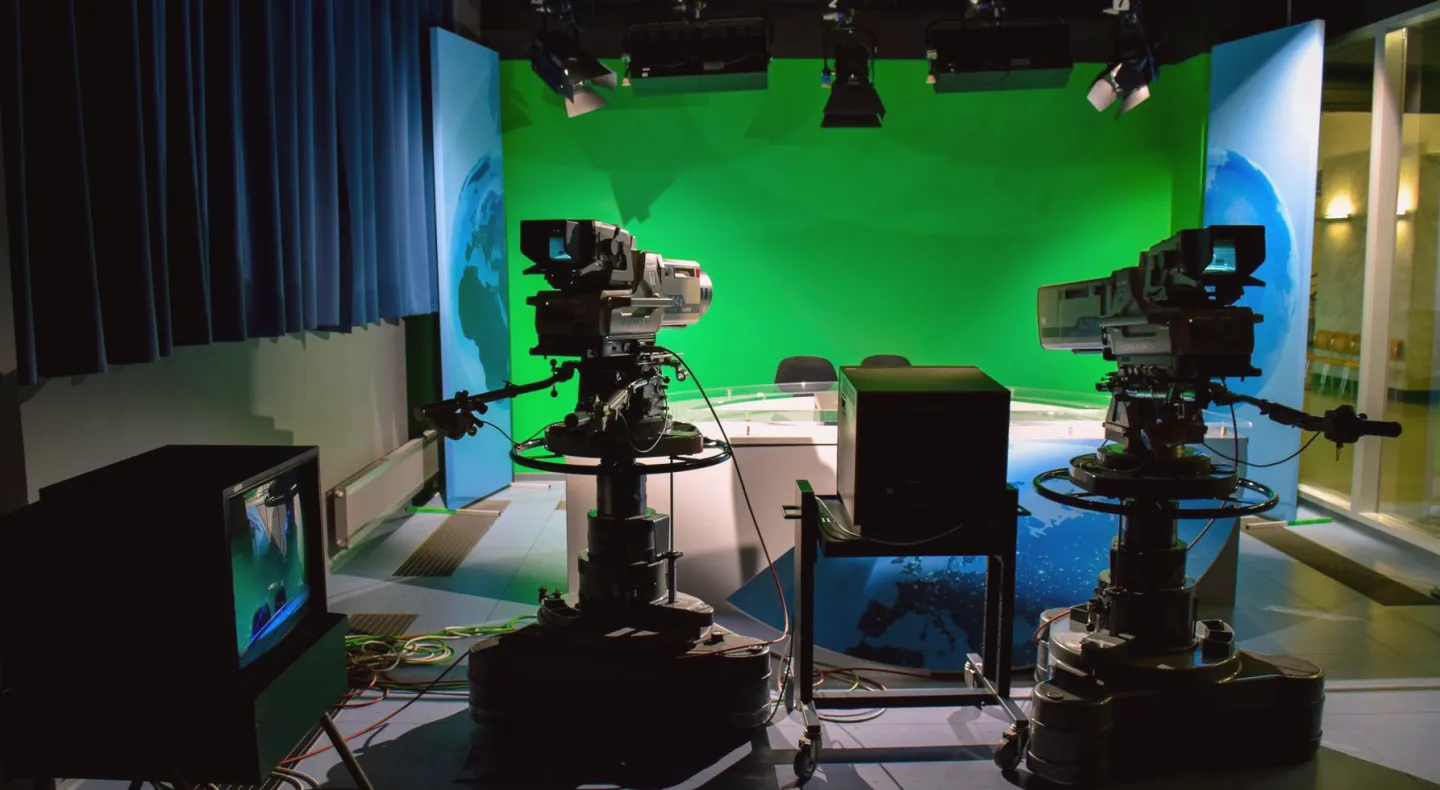
Lighting Your Studio Through the Darker Months: Autumn Planning Notes
Shorter days change how studios and stages are lit. Priya Shah sets out what to check in your lighting plots and rigs before winter schedules and live seasons fill up.
Priya Shah
Send us a message
- Call us
- Write to us