
Lighting a Regional Panel Show: Marcus and the Flat Faces Problem
Tom Bradshaw
A short account of one studio client, Marcus, whose panel show looked flat on camera until the lighting plot was redrawn around the set, the cameras and the audience.
A call from a studio that looked wrong
Marcus produces a weekly panel programme for a regional channel, and he rang us in the early weeks of autumn with a complaint he found hard to put into words. The show looked flat. Guests seemed to merge into the set behind them, and the monitors in the gallery showed faces with no shape to them.
He had assumed the cameras were at fault. Tom Bradshaw, writing this note, went to the studio expecting the same, but checking the camera setup first showed nothing unusual. Exposure was consistent, the shading was sensible, and the image path was clean. The picture was accurate. What it showed was simply poorly lit.
That distinction mattered. Marcus had been about to spend budget on new camera heads, and a short visit saved him from buying equipment that would have reproduced the same flat picture more crisply. It is a common pattern, and one worth checking before any purchase is made.
What the existing rig was doing
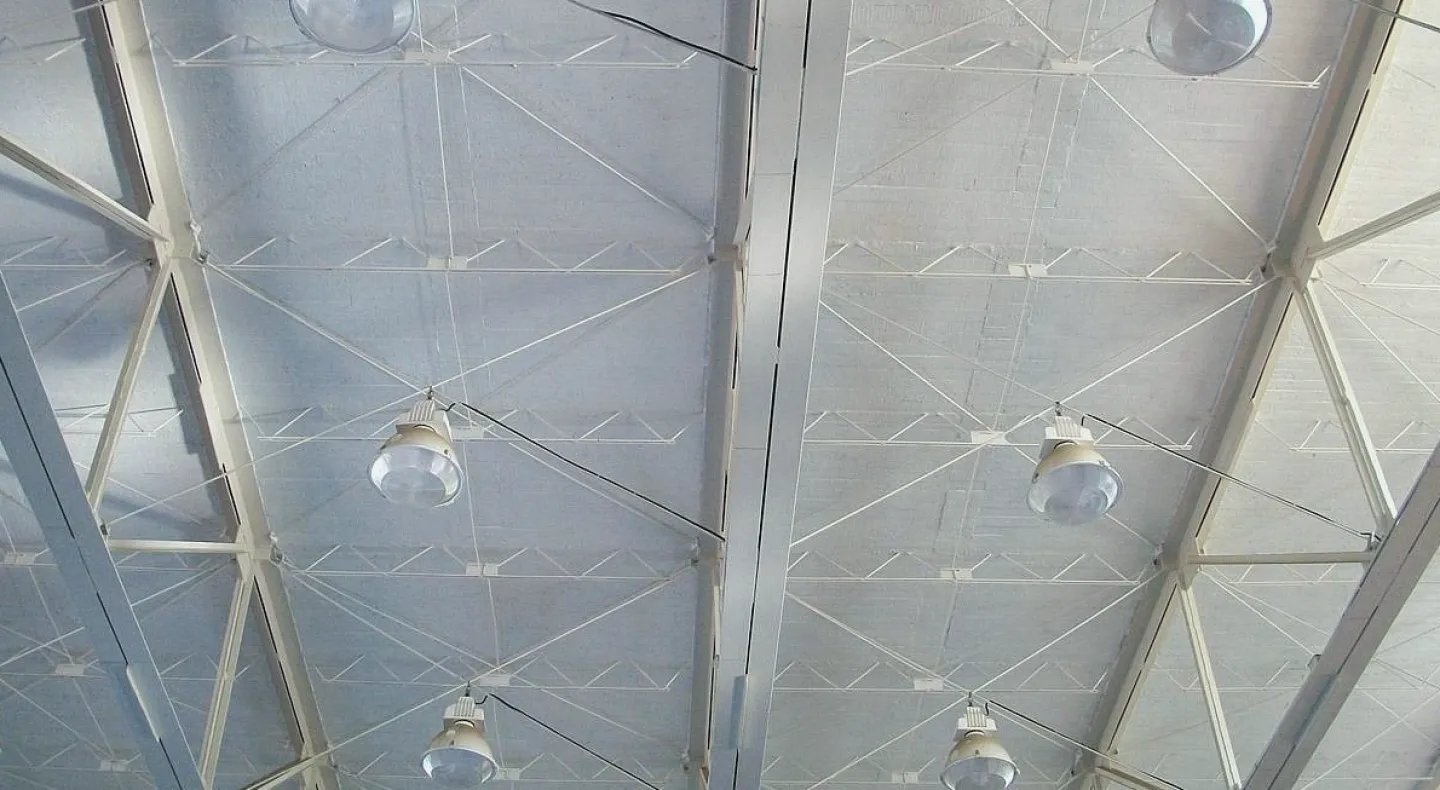
The studio had a grid of fixed fittings installed some years earlier for a different programme. Most of them pointed straight down at the desk, giving a bright, even wash from above. Even light sounds like a virtue, but it removes the shadows that tell a viewer where a cheekbone or a jawline sits.
Behind the desk, the backdrop was lit by the same wash, so guests and scenery sat at nearly the same brightness. With no separation, the eye had nothing to rest on. Priya Shah, our lighting designer, spent an afternoon in the studio with a notebook, a light meter and a tape measure, mapping where each fitting landed.
She also noted the things that were working. The ceiling height was generous, the power was adequate, and the grid could take more fittings. That meant the fix was a redraw of the plot rather than a rebuild of the room, which kept the cost modest.
Redrawing the plot around the people
Priya began with the seating positions rather than the fittings. Four guests and a presenter sit in a shallow curve, and each needs a key light from the side and slightly above eye line, softened enough to be kind to skin but firm enough to model the face. She drew the plot so that each key sat at roughly forty-five degrees to its subject.
A gentle back light was added to lift shoulders away from the backdrop, and the backdrop itself was dropped a stop so guests would stand out against it. Colour temperature was matched across every fitting, because mixed sources had been giving some faces a faint green cast that nobody had traced.
The plot was a single drawing with each fitting numbered, its position marked on the grid and its output noted. Marcus could hand it to any technician and expect the same result. That portability is half the value of a good plot.
Balancing for camera and for the audience
The show records in front of a small invited audience, so the lighting had to work twice. Cameras want controlled contrast and a steady exposure. People in the seats want to see the stage without glare and to feel the room is warm rather than clinical.
Priya kept direct light out of the front rows by adjusting the angles and fitting shutters to the worst offenders. The audience area received a low, warm wash that never reached the cameras' main shots. The result was a room that felt comfortable to sit in and a picture that held together on the monitors.
We tested this during a rehearsal with a few of Marcus's colleagues in the seats. Their only comment was that the studio felt calmer. That is the best reaction lighting can earn, because it means nobody noticed the lights at all.
The first recording after the change
On the first recording with the new plot, Marcus stood in the gallery and watched the monitors without speaking for several minutes. The guests now had depth. The presenter's face had a clear edge against the backdrop, and the whole picture had a quiet confidence it lacked before.
Nothing about the cameras had changed. Tom confirmed the shading settings were identical to the previous visit, which settled the original question. The improvement came entirely from where light was placed and how much of it each subject received.
Marcus later mentioned that his director stopped asking for corrections in the edit, simply because there was less to fix. That is a small, practical outcome, and the sort we aim for. Lighting design rarely announces itself, but a gallery that has stopped complaining usually tells you it has been done properly.
What other producers can take from it
If your programme looks flat, begin by looking at the light before you question the cameras. Walk the set with a meter and see how bright each face is relative to its background. A difference of one or two stops is often the whole answer.
Draw the plot down. A numbered drawing of fittings, positions and levels survives a change of crew and makes a later adjustment far quicker. Marcus now keeps his taped inside the gallery door.
Finally, remember the audience. A rig that photographs well but leaves a room uncomfortable has solved half the problem. Good lighting design respects both the lens and the people in front of it, and treats them as parts of the same plan.
Marcus's studio did not need new cameras, only a lighting plot drawn around its guests, its set and its audience. The work took a few days and left the equipment largely as it was. If your own picture feels flat, a careful look at the light usually comes first, and we are glad to talk it through with you.
More from the guides

Studio Design Mistakes We See Most and How to Avoid Them
Layout, acoustics and cabling errors in new television studios are rarely dramatic, but they are costly to fix later. Here are the ones we meet most often and how to plan around them.
How We Approach Lighting Plots for Studio Shows and Live Stages
A look at how starlova builds lighting plots and rigs for studio shows and live stages, and how we balance what the camera needs with what the audience sees.
Lighting Your Studio Through the Darker Months: Autumn Planning Notes
Shorter days change how studios and stages are lit. Priya Shah sets out what to check in your lighting plots and rigs before winter schedules and live seasons fill up.
Tom Bradshaw
Send us a message
- Call us
- Write to us